
Api Catalog
Api Catalog - An api catalog solves this problem by having one hub for developers and users alike. Api catalogs are essential for organizing and maintaining your apis. Api catalogs are a useful tool in many ways. It can provide greater efficiency within your business, easy access management and superior monetization. An api catalog is a centralized, searchable repository of all the apis in your ecosystem, containing key metadata and documentation for each api to aid discovery and effective api management. Much like a product catalog, an api catalog is a collection of various listings. An api catalog is a library of available apis, most often shared through your api portal. Companies or teams use api catalogs to organize private internal apis. Oac includes a simple metamodel for an api asset, automation to populate oac, and the ability for users to search oac for apis and understand the details of the apis to assess their fit in. A holistic api catalog is the best choice for large enterprises. Whether your apis are for internal use or public consumption, an api catalog can ensure they are discoverable. What is an api catalog? In summary, creating a central api catalog can help reduce costs and friction of api usage but also providing a better experience internal and external. Companies or teams use api catalogs to organize private internal apis. An api catalog is also invaluable for api security and api testing, as it consolidates all of your apis into one place for your security tools to find. What is an api catalog? It can provide greater efficiency within your business, easy access management and superior monetization. Oac includes a simple metamodel for an api asset, automation to populate oac, and the ability for users to search oac for apis and understand the details of the apis to assess their fit in. The oracle api catalog (oac) allows organizations to easily build a catalog of their apis to provide visibility to those apis for application development. A catalog allows developers to discover and use internal apis, rather than having to search many places or contact multiple people to. An api catalog is a library of available apis, most often shared through your api portal. A holistic api catalog is the best choice for large enterprises. Companies or teams use api catalogs to organize private internal apis. What is an api catalog? An api catalog is a centralized, searchable repository of all the apis in your ecosystem, containing key. Oac includes a simple metamodel for an api asset, automation to populate oac, and the ability for users to search oac for apis and understand the details of the apis to assess their fit in. Api catalogs are essential for organizing and maintaining your apis. It can provide greater efficiency within your business, easy access management and superior monetization. In. You can track which apis are being used the most, or organize them by ease of use. What is an api catalog? An api catalog solves this problem by having one hub for developers and users alike. Companies often run into the problem of different teams creating duplicate apis. Api catalogs are a useful tool in many ways. Discover the resources for 10 strategic api action items to drive digital success. Api catalogs are a useful tool in many ways. An api catalog is also invaluable for api security and api testing, as it consolidates all of your apis into one place for your security tools to find. Companies often run into the problem of different teams creating. Discover the resources for 10 strategic api action items to drive digital success. Oac includes a simple metamodel for an api asset, automation to populate oac, and the ability for users to search oac for apis and understand the details of the apis to assess their fit in. An api catalog is also invaluable for api security and api testing,. Below, we’ll explain what an api catalog is, why you need one and how to create one. The oracle api catalog (oac) allows organizations to easily build a catalog of their apis to provide visibility to those apis for application development. Api catalogs are a useful tool in many ways. In summary, creating a central api catalog can help reduce. A holistic api catalog is the best choice for large enterprises. A catalog allows developers to discover and use internal apis, rather than having to search many places or contact multiple people to. An api catalog is a centralized, searchable repository of all the apis in your ecosystem, containing key metadata and documentation for each api to aid discovery and. An api catalog is also invaluable for api security and api testing, as it consolidates all of your apis into one place for your security tools to find. What is an api catalog? Discover the resources for 10 strategic api action items to drive digital success. Whether your apis are for internal use or public consumption, an api catalog can. It can provide greater efficiency within your business, easy access management and superior monetization. The oracle api catalog (oac) allows organizations to easily build a catalog of their apis to provide visibility to those apis for application development. An api catalog is also invaluable for api security and api testing, as it consolidates all of your apis into one place. A catalog allows developers to discover and use internal apis, rather than having to search many places or contact multiple people to. An api catalog is a library of available apis, most often shared through your api portal. Companies or teams use api catalogs to organize private internal apis. Discover the resources for 10 strategic api action items to drive. Much like a product catalog, an api catalog is a collection of various listings. What is an api catalog? A catalog allows developers to discover and use internal apis, rather than having to search many places or contact multiple people to. Below, we’ll explain what an api catalog is, why you need one and how to create one. An api catalog is a library of available apis, most often shared through your api portal. A holistic api catalog is the best choice for large enterprises. It can provide greater efficiency within your business, easy access management and superior monetization. Api catalogs are a useful tool in many ways. Whether your apis are for internal use or public consumption, an api catalog can ensure they are discoverable. The oracle api catalog (oac) allows organizations to easily build a catalog of their apis to provide visibility to those apis for application development. Companies or teams use api catalogs to organize private internal apis. An api catalog solves this problem by having one hub for developers and users alike. Api catalogs are essential for organizing and maintaining your apis. Discover the resources for 10 strategic api action items to drive digital success. You can track which apis are being used the most, or organize them by ease of use. Oac includes a simple metamodel for an api asset, automation to populate oac, and the ability for users to search oac for apis and understand the details of the apis to assess their fit in.
API Catalog & API Portal Everything you need to know
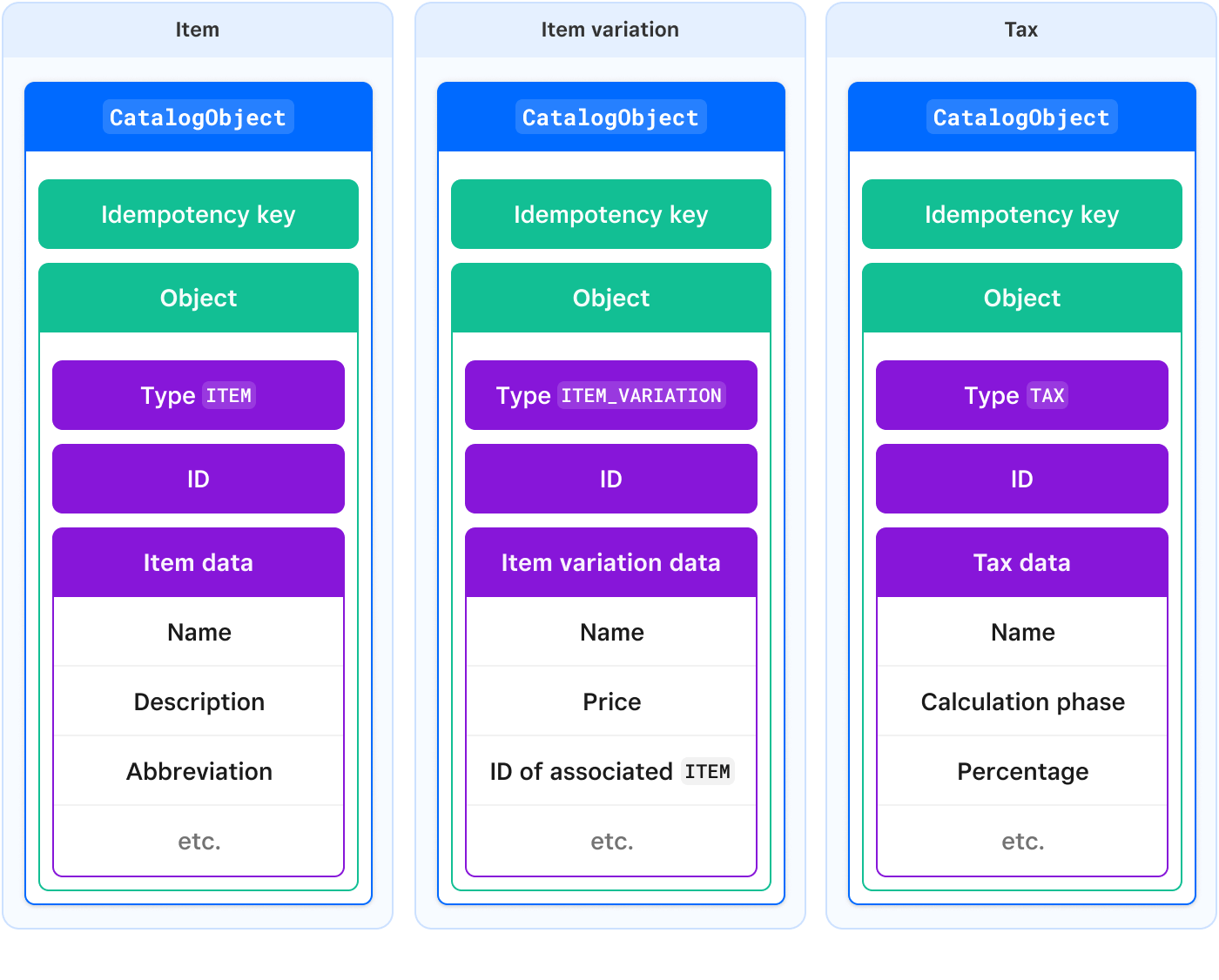
Catalog API Overview

How does having an API Catalogue accelerate Business Integration
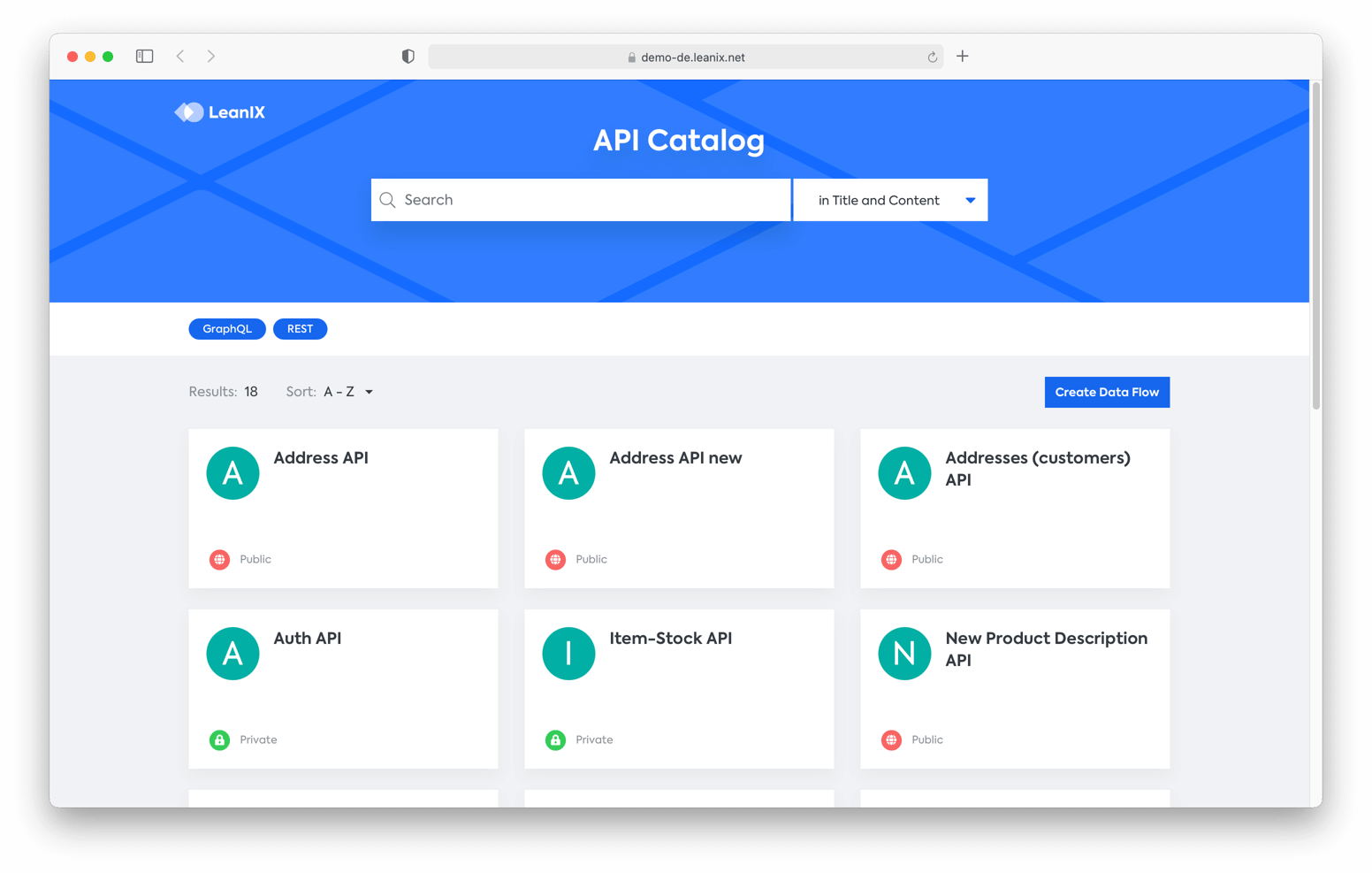
Use Case API & Service Catalog Value Stream Management (VSM)

Discover and work with APIs designed anywhere with MuleSoft’s API
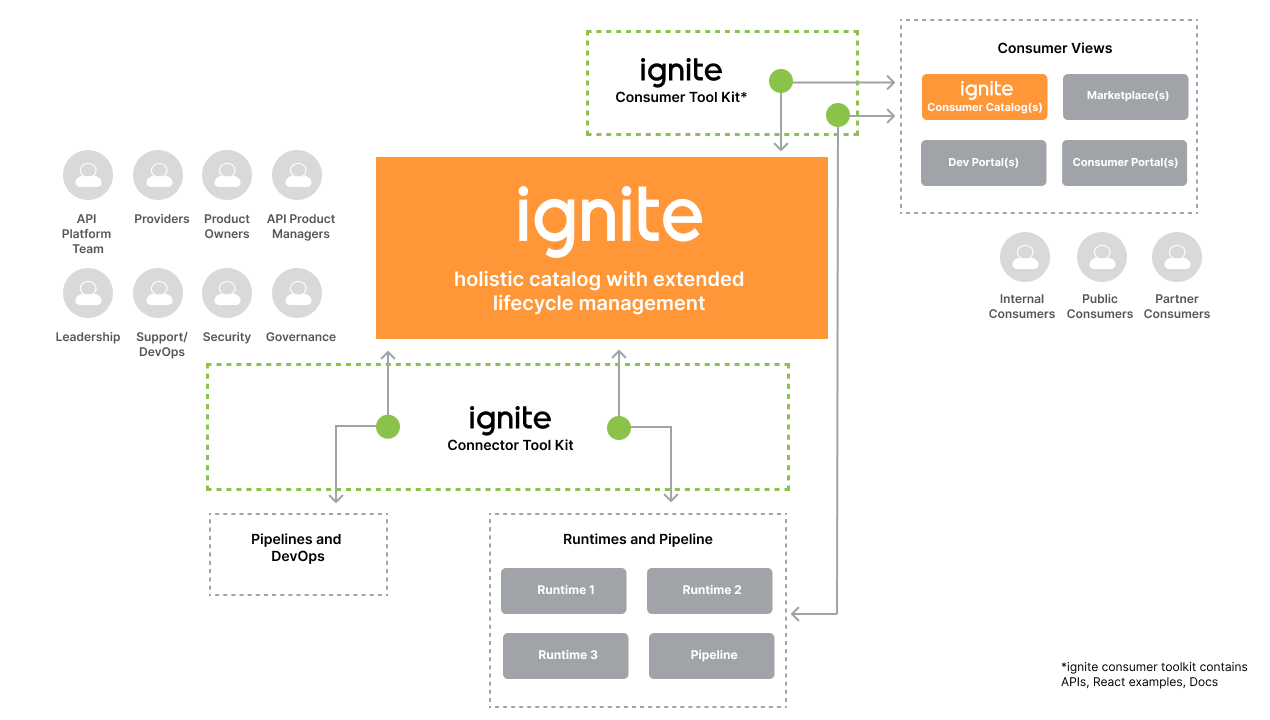
API Catalog, Developer Portal, Holistic Catalog Comparison digitalML

API Catalog CLI. Let’s analyze different Java project… by Jose
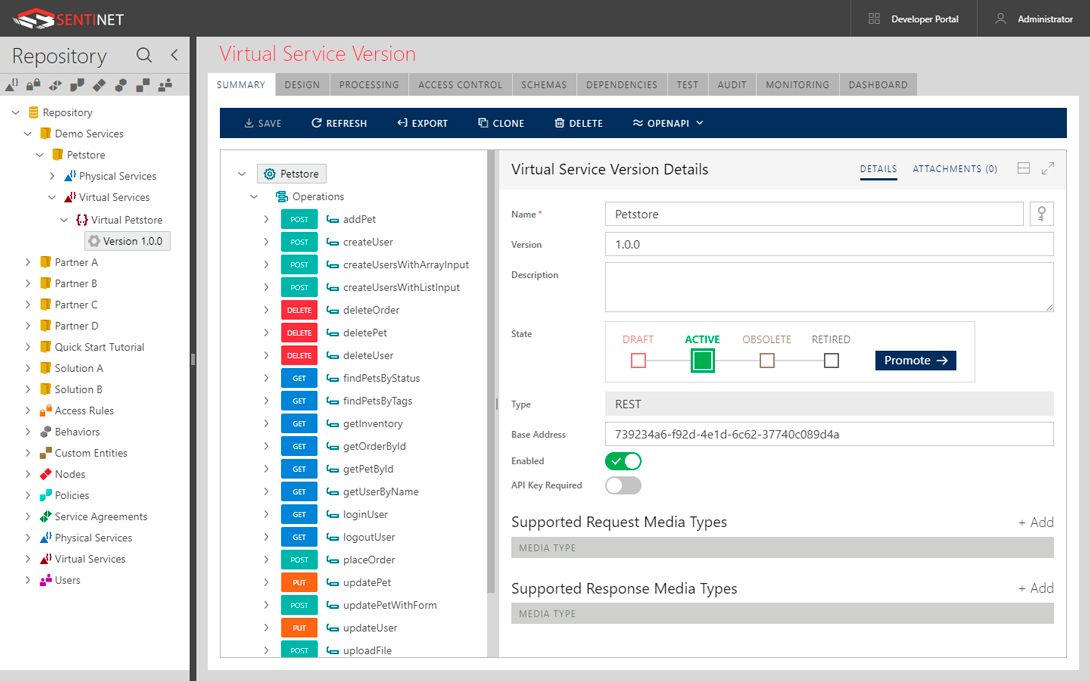
API Repository, API Catalog
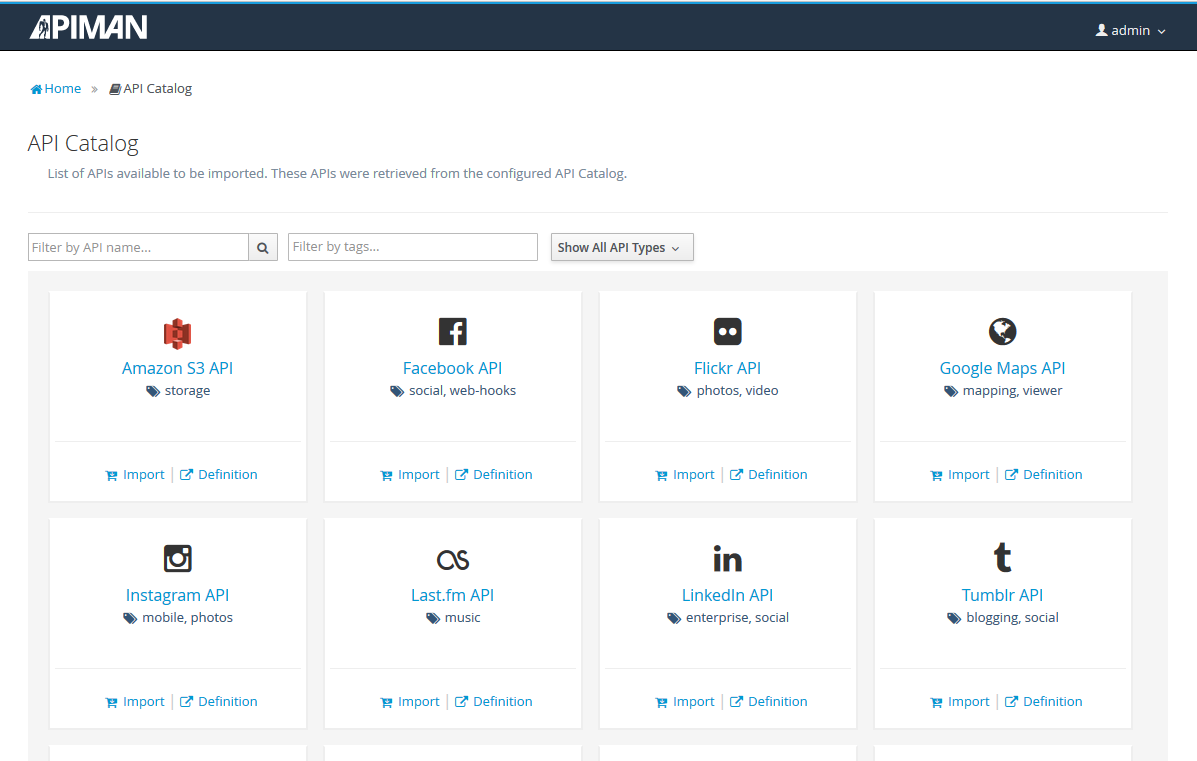
Apiman Import APIs Into Apiman (API Catalog)
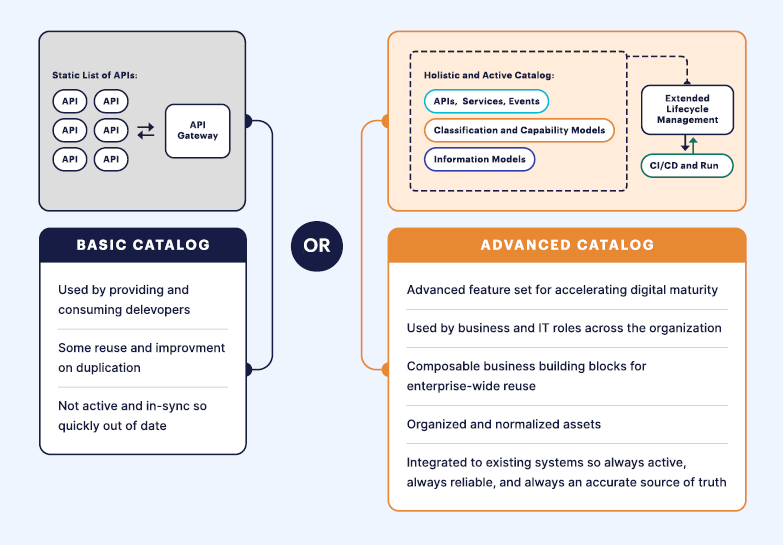
API Catalog Tools 5 Common Misconceptions digitalML
What Is An Api Catalog?
An Api Catalog Is A Centralized, Searchable Repository Of All The Apis In Your Ecosystem, Containing Key Metadata And Documentation For Each Api To Aid Discovery And Effective Api Management.
An Api Catalog Is Also Invaluable For Api Security And Api Testing, As It Consolidates All Of Your Apis Into One Place For Your Security Tools To Find.
In Summary, Creating A Central Api Catalog Can Help Reduce Costs And Friction Of Api Usage But Also Providing A Better Experience Internal And External.
Related Post: