
Kev Catalog
Kev Catalog - While focusing on vulnerabilities that have been exploited isn’t sufficient, it. Organizations should use the kev catalog as an input to their vulnerability management prioritization framework. For the benefit of the cybersecurity community and network defenders—and to help every organization better manage vulnerabilities and keep pace with threat activity—cisa maintains the authoritative source of vulnerabilities that have been exploited in the wild. The kev catalog, cpgs, and prni exemplify cisa’s commitment to fostering collaboration across public and private sectors. Cisa has added one new vulnerability to its known exploited vulnerabilities catalog, based on evidence of active exploitation. With that understanding, we launched the known exploited vulnerabilities catalog (known simply as “the kev”) in november 2021 to provide an authoritative source of vulnerabilities that have been exploited “in the wild.” the purpose of the kev is simple: However, we do not recommend exclusive use of the kev catalog as the only criterion on which organizations triage vulnerabilities. These initiatives have helped to reshape cybersecurity by prioritizing proactive defense, measurable outcomes, and. The kev catalog sends a clear message to all organizations to prioritize remediation efforts on the subset of vulnerabilities that are causing immediate harm based on adversary activity. Approaches to avoid directory traversal vulnerabilities are known, yet threat actors continue to exploit these vulnerabilities which have impacted the operation of critical services, including hospital and school operations. Currently, cisa has listed 55 directory traversal vulnerabilities in our known exploited vulnerabilities (kev) catalog. However, we do not recommend exclusive use of the kev catalog as the only criterion on which organizations triage vulnerabilities. The kev catalog, cpgs, and prni exemplify cisa’s commitment to fostering collaboration across public and private sectors. Organizations should use the kev catalog as an input to their vulnerability management prioritization framework. With that understanding, we launched the known exploited vulnerabilities catalog (known simply as “the kev”) in november 2021 to provide an authoritative source of vulnerabilities that have been exploited “in the wild.” the purpose of the kev is simple: Cisa has added three new vulnerabilities to its known exploited vulnerabilities catalog, based on evidence of active exploitation. These initiatives have helped to reshape cybersecurity by prioritizing proactive defense, measurable outcomes, and. Organizations should use the kev catalog as an input to their vulnerability management prioritization. For the benefit of the cybersecurity community and network defenders—and to help every organization better manage vulnerabilities and keep pace with threat activity—cisa maintains the authoritative source of vulnerabilities that have been exploited in the wild. Approaches to avoid directory traversal vulnerabilities are known, yet threat actors continue to exploit these vulnerabilities which have impacted the operation of critical services, including hospital and school operations. Organizations should use the kev catalog as an input to their vulnerability management prioritization. These initiatives have helped to reshape cybersecurity by prioritizing proactive defense, measurable outcomes, and. Now, all organizations have access to this information in our known exploited vulnerabilities (kev) catalog as we added a column titled, “known to be used in ransomware campaigns.” for present vulnerabilities and. Cisa has added one new vulnerability to its known exploited vulnerabilities catalog, based on evidence of active exploitation. However, we do not recommend exclusive use of the kev catalog as the only criterion on which organizations triage vulnerabilities. For the benefit of the cybersecurity community and network defenders—and to help every organization better manage vulnerabilities and keep pace with threat. Cisa has added three new vulnerabilities to its known exploited vulnerabilities catalog, based on evidence of active exploitation. Organizations should use the kev catalog as an input to their vulnerability management prioritization. Organizations should use the kev catalog as an input to their vulnerability management prioritization framework. These initiatives have helped to reshape cybersecurity by prioritizing proactive defense, measurable outcomes,. However, we do not recommend exclusive use of the kev catalog as the only criterion on which organizations triage vulnerabilities. For the benefit of the cybersecurity community and network defenders—and to help every organization better manage vulnerabilities and keep pace with threat activity—cisa maintains the authoritative source of vulnerabilities that have been exploited in the wild. Now, all organizations have. Currently, cisa has listed 55 directory traversal vulnerabilities in our known exploited vulnerabilities (kev) catalog. Organizations should use the kev catalog as an input to their vulnerability management prioritization. Approaches to avoid directory traversal vulnerabilities are known, yet threat actors continue to exploit these vulnerabilities which have impacted the operation of critical services, including hospital and school operations. These initiatives. Cisa has added one new vulnerability to its known exploited vulnerabilities catalog, based on evidence of active exploitation. However, we do not recommend exclusive use of the kev catalog as the only criterion on which organizations triage vulnerabilities. With that understanding, we launched the known exploited vulnerabilities catalog (known simply as “the kev”) in november 2021 to provide an authoritative. Cisa has added one new vulnerability to its known exploited vulnerabilities catalog, based on evidence of active exploitation. However, we do not recommend exclusive use of the kev catalog as the only criterion on which organizations triage vulnerabilities. The kev catalog, cpgs, and prni exemplify cisa’s commitment to fostering collaboration across public and private sectors. The kev catalog sends a. The kev catalog sends a clear message to all organizations to prioritize remediation efforts on the subset of vulnerabilities that are causing immediate harm based on adversary activity. The kev catalog, cpgs, and prni exemplify cisa’s commitment to fostering collaboration across public and private sectors. Organizations should use the kev catalog as an input to their vulnerability management prioritization framework.. Organizations should use the kev catalog as an input to their vulnerability management prioritization framework. The kev catalog sends a clear message to all organizations to prioritize remediation efforts on the subset of vulnerabilities that are causing immediate harm based on adversary activity. For the benefit of the cybersecurity community and network defenders—and to help every organization better manage vulnerabilities. Approaches to avoid directory traversal vulnerabilities are known, yet threat actors continue to exploit these vulnerabilities which have impacted the operation of critical services, including hospital and school operations. Organizations should use the kev catalog as an input to their vulnerability management prioritization. Cisa has added three new vulnerabilities to its known exploited vulnerabilities catalog, based on evidence of active. Organizations should use the kev catalog as an input to their vulnerability management prioritization framework. While focusing on vulnerabilities that have been exploited isn’t sufficient, it. Currently, cisa has listed 55 directory traversal vulnerabilities in our known exploited vulnerabilities (kev) catalog. However, we do not recommend exclusive use of the kev catalog as the only criterion on which organizations triage vulnerabilities. For the benefit of the cybersecurity community and network defenders—and to help every organization better manage vulnerabilities and keep pace with threat activity—cisa maintains the authoritative source of vulnerabilities that have been exploited in the wild. Cisa has added one new vulnerability to its known exploited vulnerabilities catalog, based on evidence of active exploitation. The kev catalog, cpgs, and prni exemplify cisa’s commitment to fostering collaboration across public and private sectors. Organizations should use the kev catalog as an input to their vulnerability management prioritization. Now, all organizations have access to this information in our known exploited vulnerabilities (kev) catalog as we added a column titled, “known to be used in ransomware campaigns.” for present vulnerabilities and all future to be added to the catalog, this column indicates whether cisa is aware that a vulnerability has been associated with. Approaches to avoid directory traversal vulnerabilities are known, yet threat actors continue to exploit these vulnerabilities which have impacted the operation of critical services, including hospital and school operations. The kev catalog sends a clear message to all organizations to prioritize remediation efforts on the subset of vulnerabilities that are causing immediate harm based on adversary activity. These initiatives have helped to reshape cybersecurity by prioritizing proactive defense, measurable outcomes, and.
Slicing through CISA’s KEV Catalog Bitsight

Phoenix Security What is CISA/CISA KEV?

今週のKEV Catalogまとめ(2023年5月22日〜5月28日) |IssueHunt
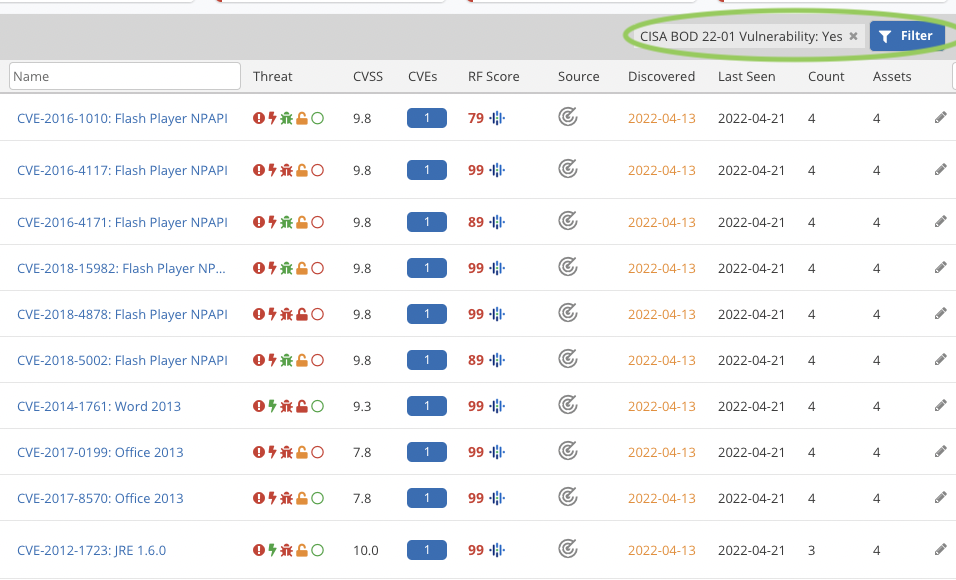
Nucleus Use Case CISA KEV Vulnerability Prioritization
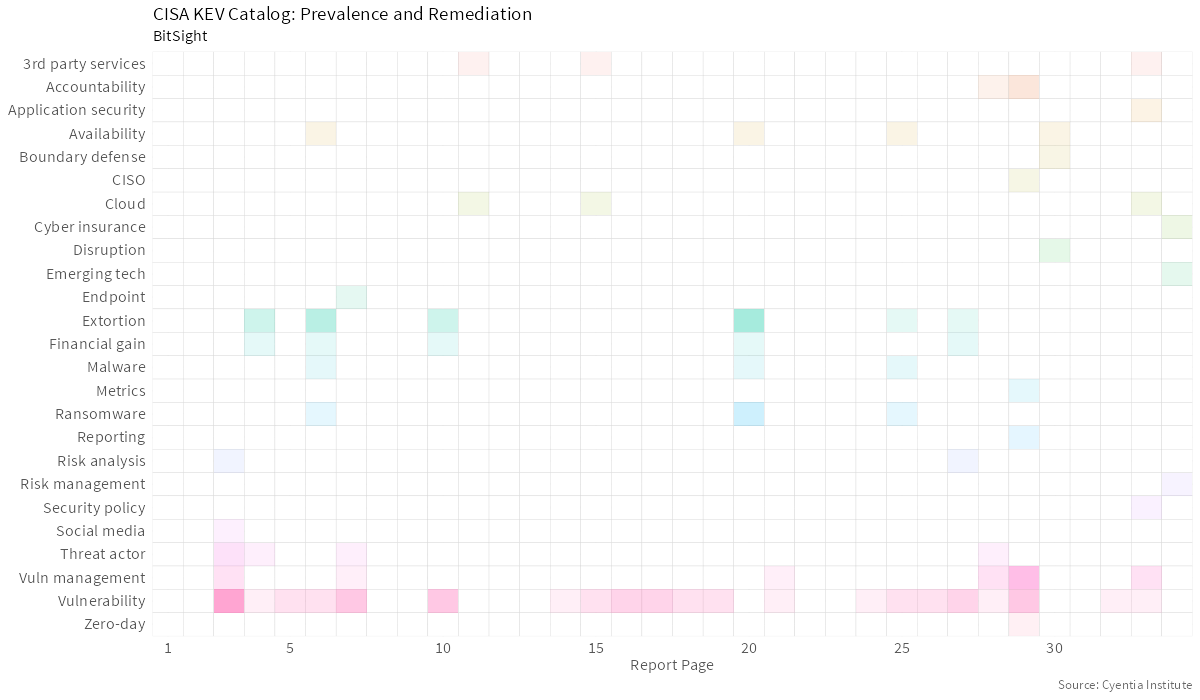
CISA KEV Catalog Prevalence and Remediation Cyentia Cybersecurity
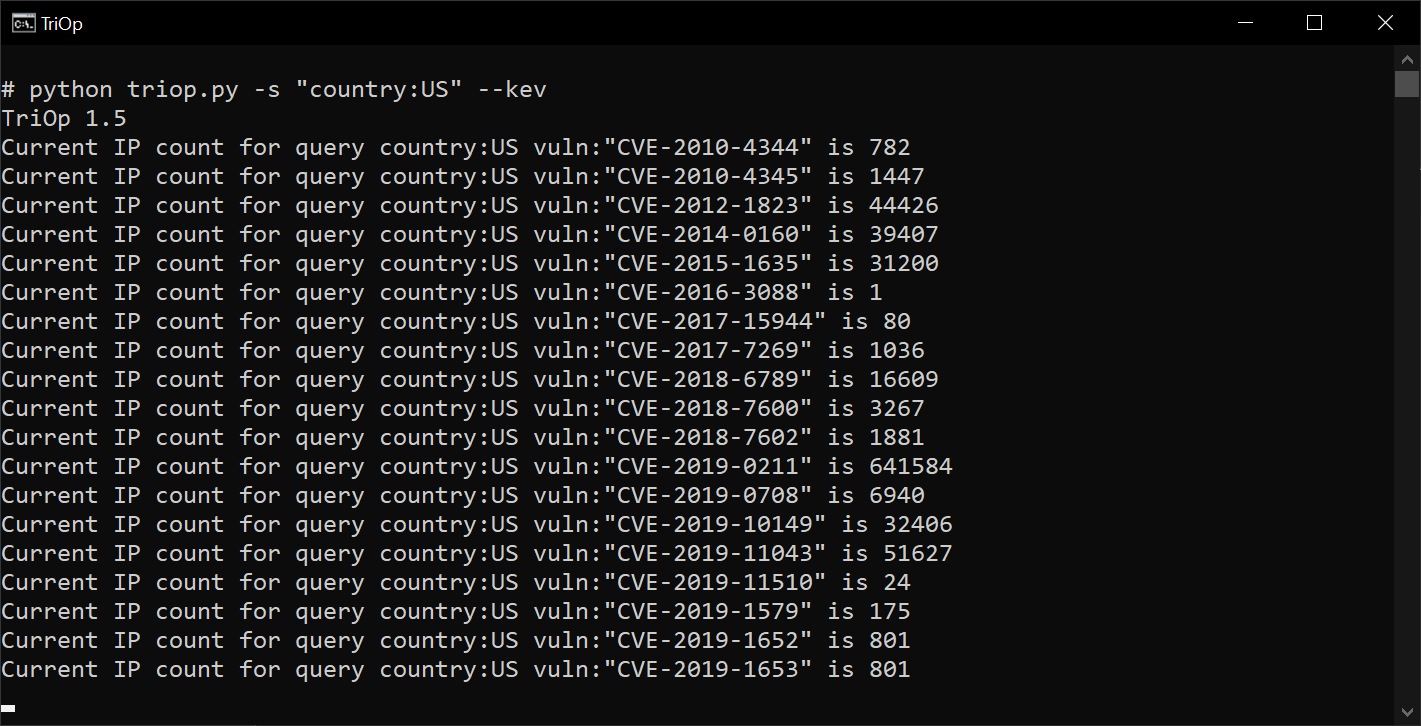
Passive detection of systems affected by

KEV Catalog “HiveNightmare” aka ”SeriousSAM” Vulnerability CVE2021

KEV Catalog “Spring4Shell” Spring Framework Remote Code Execution
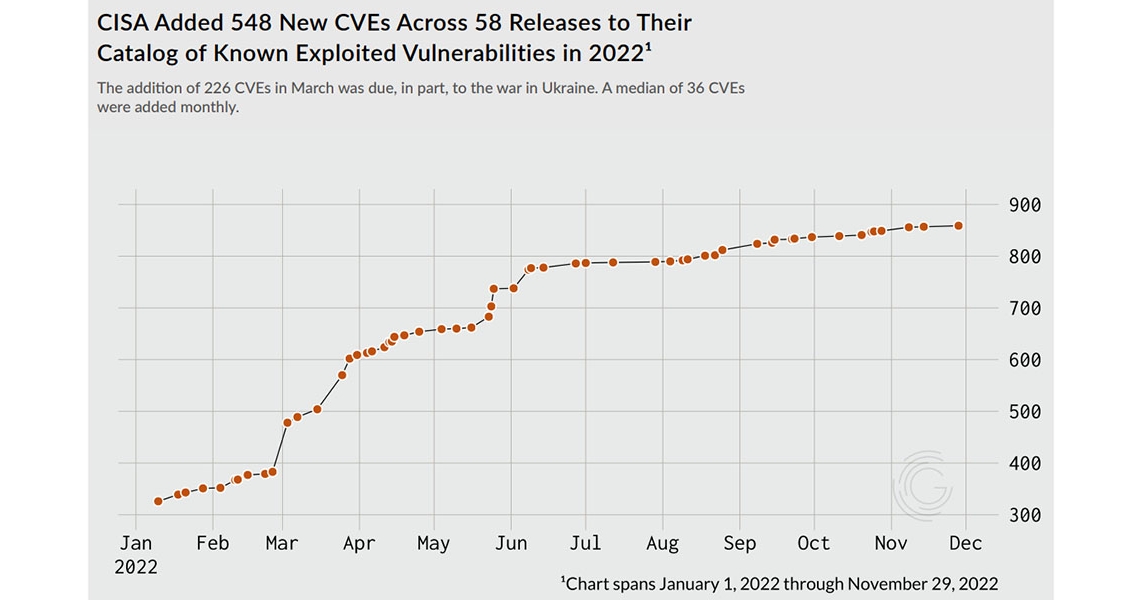
Adobe, Apple, Cisco, Microsoft Flaws Make Up Half of KEV Catalog

KEV Catalog Apache CouchDB Remote Privilege Escalation (CVE202224706
With That Understanding, We Launched The Known Exploited Vulnerabilities Catalog (Known Simply As “The Kev”) In November 2021 To Provide An Authoritative Source Of Vulnerabilities That Have Been Exploited “In The Wild.” The Purpose Of The Kev Is Simple:
The Kev Catalog Sends A Clear Message To All Organizations To Prioritize Remediation Efforts On The Subset Of Vulnerabilities That Are Causing Immediate Harm Based On Adversary Activity.
Cisa Has Added Three New Vulnerabilities To Its Known Exploited Vulnerabilities Catalog, Based On Evidence Of Active Exploitation.
Related Post: