
Spelling Of Catalog
Spelling Of Catalog - Here we'll aim to clarify the distinction by explaining the spelling differences and. Both spellings are correct, but they carry distinct cultural and geographical connotations. The difference lies primarily in regional spelling preferences: A book with a list of all the goods that you can buy from a store…. ‘catalog’ is favored in american english, while ‘catalogue’ is the standard in british english. The meaning of catalog is list, register. Catalogue.i will provide example sentences for each spelling to illustrate when it’s appropriate to use one over the other. Catalog is the preferred spelling in american english. “catalogue” is the british english spelling, often used in the uk, australia, and other commonwealth countries, while “catalog” is the american english version, preferred in. Catalogue is the standard in british english. Catalogue.i will provide example sentences for each spelling to illustrate when it’s appropriate to use one over the other. In this article, i will compare catalog vs. Catalog is the correct spelling in american english, while catalogue is used in british english. The meaning of catalog is list, register. Catalog is the preferred spelling in american english. The words have the same meaning and are used interchangeably depending. Catalog and catalogue essentially convey the. Catalog, the most popular spelling in the usa and jamaica, originated in america in the 19th century, when there emerged a trend to simplify vocabulary. Have you seen the word catalog spelled two ways—with and without a u—and wondered which is correct? Both refer to a list or record of items. Catalog and catalogue essentially convey the. As it turns out, catalog and catalogue are simply spelling variants of the same word. Catalog is the american english spelling, while catalogue is the british english spelling; Catalog is the preferred spelling in american english and catalogue is the preferred spelling in british english and is also commonly used in other varieties of. Catalog is the correct spelling in american english, while catalogue is used in british english. Catalog is the preferred spelling in american english. While catalogue is the traditional british english spelling, catalog is the simplified, modernized american english spelling. Catalogue is the standard in british english. Catalogue.i will provide example sentences for each spelling to illustrate when it’s appropriate to. Here we'll aim to clarify the distinction by explaining the spelling differences and. How to use catalog in a sentence. A book with a list of all the goods that you can buy from a store…. The difference is that catalogue is the preferred spelling in the united kingdom (or any area. Catalog is the correct spelling in american english,. “catalogue” is the british english spelling, often used in the uk, australia, and other commonwealth countries, while “catalog” is the american english version, preferred in. The difference is that catalogue is the preferred spelling in the united kingdom (or any area. Catalogue is the standard in british english. Catalog, the most popular spelling in the usa and jamaica, originated in. Catalog is the preferred spelling in american english and catalogue is the preferred spelling in british english and is also commonly used in other varieties of english,. Have you seen the word catalog spelled two ways—with and without a u—and wondered which is correct? The meaning of catalog is list, register. Catalog, the most popular spelling in the usa and. These spelling differences reflect broader trends in. The meaning of catalog is list, register. Catalog is the preferred spelling in american english and catalogue is the preferred spelling in british english and is also commonly used in other varieties of english,. While catalogue is the traditional british english spelling, catalog is the simplified, modernized american english spelling. Catalog and catalogue. A book with a list of all the goods that you can buy from a store…. The words have the same meaning and are used interchangeably depending. How to use catalog in a sentence. Both refer to a list or record of items. While catalogue is the traditional british english spelling, catalog is the simplified, modernized american english spelling. Catalog is the preferred spelling in american english and catalogue is the preferred spelling in british english and is also commonly used in other varieties of english,. ‘catalog’ is favored in american english, while ‘catalogue’ is the standard in british english. Catalog is the american english spelling, while catalogue is the british english spelling; Catalogue is the standard in british. Catalogue.i will provide example sentences for each spelling to illustrate when it’s appropriate to use one over the other. A book with a list of all the goods that you can buy from a store…. The meaning of catalog is list, register. Both spellings are correct, but they carry distinct cultural and geographical connotations. Catalog is the preferred spelling in. The difference is that catalogue is the preferred spelling in the united kingdom (or any area. The choice between catalog and catalogue depends on the audience's regional language. Both refer to a list or record of items. These spelling differences reflect broader trends in. As it turns out, catalog and catalogue are simply spelling variants of the same word. Catalog and catalogue essentially convey the. While catalogue is the traditional british english spelling, catalog is the simplified, modernized american english spelling. Catalog, the most popular spelling in the usa and jamaica, originated in america in the 19th century, when there emerged a trend to simplify vocabulary. Catalogue.i will provide example sentences for each spelling to illustrate when it’s appropriate to use one over the other. A book with a list of all the goods that you can buy from a store…. The difference lies primarily in regional spelling preferences: ‘catalog’ is favored in american english, while ‘catalogue’ is the standard in british english. I will also discuss a useful memory tool to help you decide whether to use catalog or catalogue when you write. The difference is that catalogue is the preferred spelling in the united kingdom (or any area. In this article, we’ll explore the differences between “catalogue” and “catalog”. Catalog is the american english spelling, while catalogue is the british english spelling; As it turns out, catalog and catalogue are simply spelling variants of the same word. The words have the same meaning and are used interchangeably depending. Catalog is the preferred spelling in american english and catalogue is the preferred spelling in british english and is also commonly used in other varieties of english,. Catalogue is the standard in british english. “catalogue” is the british english spelling, often used in the uk, australia, and other commonwealth countries, while “catalog” is the american english version, preferred in.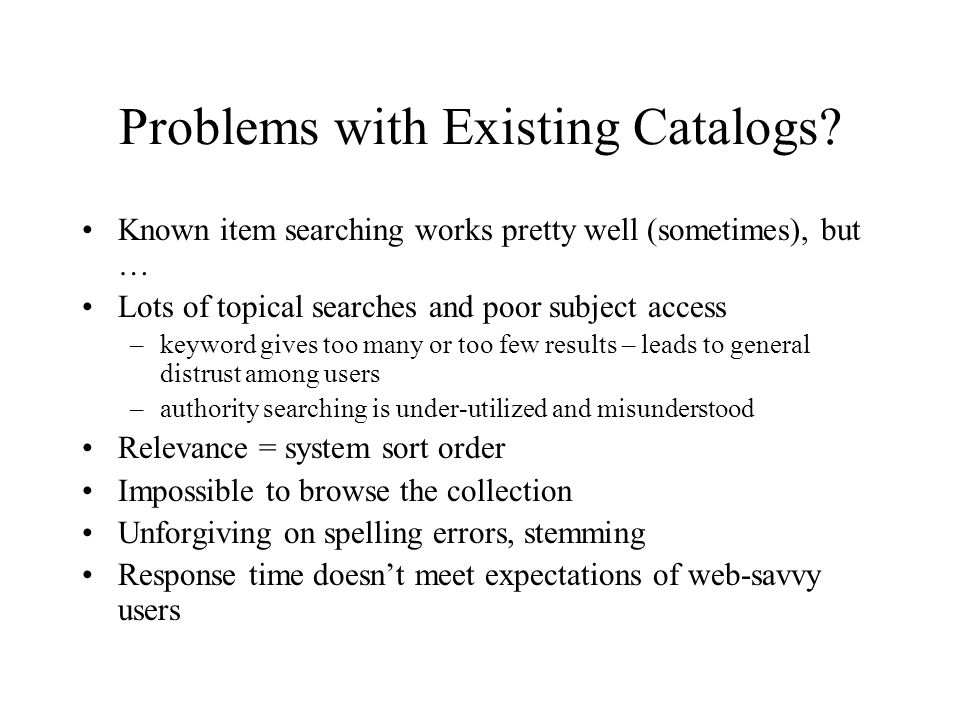
Future of the Catalog. ppt video online download
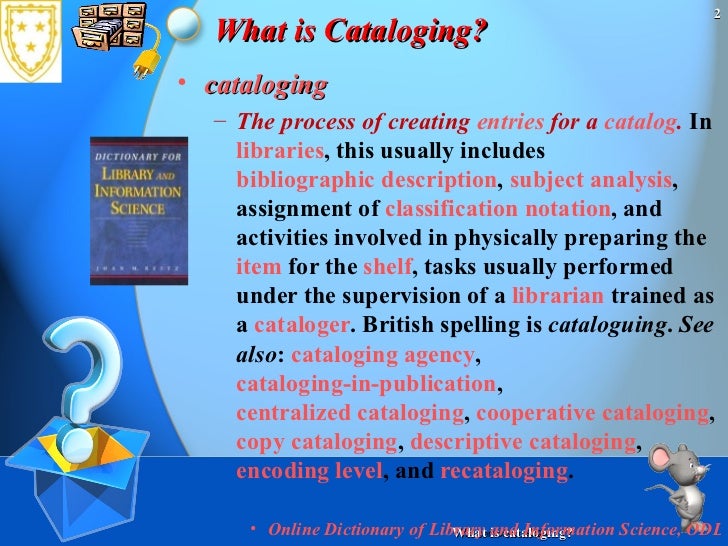
What Is Cataloging?
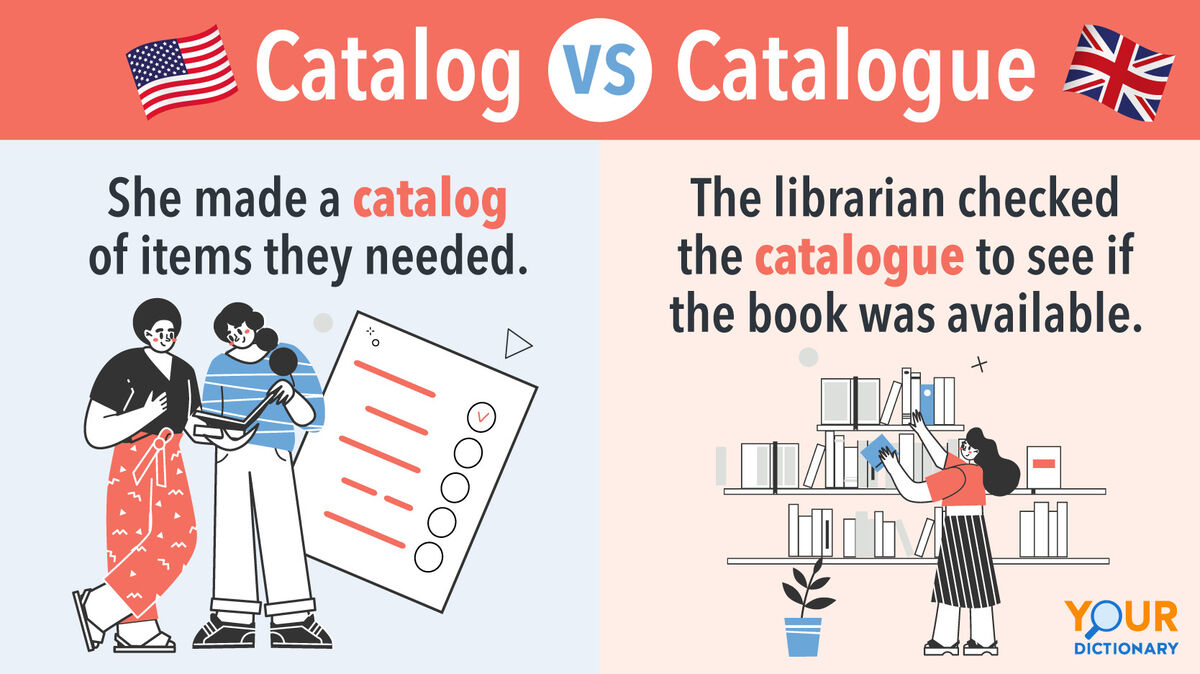
Catalog vs. Catalogue Sorting Out the Different Spellings YourDictionary
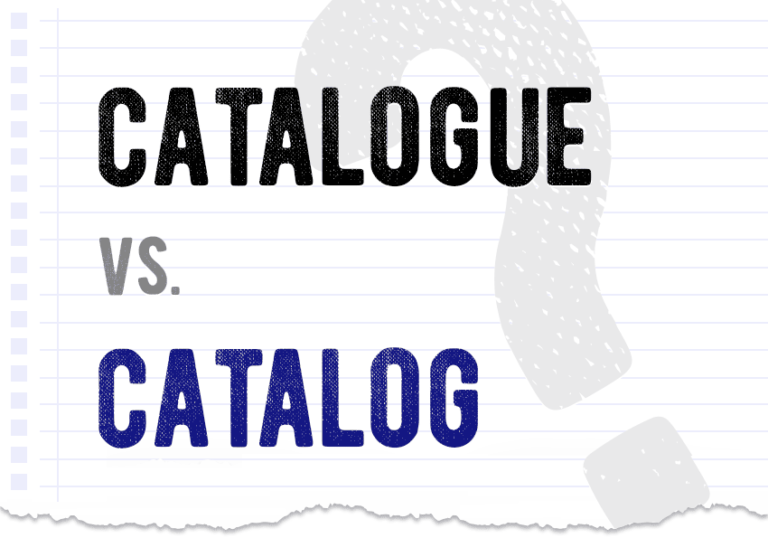
Catalogue vs. catalog which form is correct? Difference

Os 8 principais exemplos de catálogos de produtos digitais feitos de

Catalog vs. Catalogue Understanding the Differences in Spelling • 7ESL

Premium Photo Create a catalog icons Spell and skill icons are small

Catalog vs. Catalogue What's the Difference? ESLBUZZ

Essential Spelling and Word Knowledge Year 5 Year 5 Log Book Pack of 5

Catalog vs. Catalogue Understanding the Differences in Spelling • 7ESL
Catalog Is The Correct Spelling In American English, While Catalogue Is Used In British English.
Catalog Is The Preferred Spelling In American English.
How To Use Catalog In A Sentence.
Us Spelling Of Catalogue 2.
Related Post: