
What Are Catalogs In Lightroom
What Are Catalogs In Lightroom - Choose file > open catalog. A lightroom catalog is a database for storing and organizing photos to edit in lightroom’s editing software. A lightroom catalog stores metadata, which includes. Understanding that the catalog is a database is only half the battle. It contains a list of all the images you have added to it, their properties and all the processing steps you have. In a nutshell, lightroom’s catalog is a database. In this tutorial, we'll explain what quick collections are in adobe lightroom and how to use them to streamline your workflow. Different photographers have different approaches to managing their photo libraries, and the talk about. In the open catalog dialog box, specify the. What is a lightroom catalog? In my experience, tools that promise efficiency but require you to. Different photographers have different approaches to managing their photo libraries, and the talk about. Choose file > open catalog. It contains a list of all the images you have added to it, their properties and all the processing steps you have. This record contains three key pieces of information about each photo: In the lightroom catalog, and to be clear, i am talking specifically about lightroom classic, the rich desktop style application, not the cloud version, a similar model is used. The fact that it works directly with lightroom catalogs means i don’t need to redevelop my workflow. In a nutshell, a lightroom catalog is a file containing all the information about the images uploaded to adobe lightroom. Catalogs are lightroom's system for storing image edit data. What is the lightroom catalog? The fact that it works directly with lightroom catalogs means i don’t need to redevelop my workflow. Understanding how catalogs work and following best practices will keep your photos safe, your. In essence, a catalog is a database. Lightroom catalogs are the backbone of an organized, efficient editing workflow. The lightroom catalog is the place that lightroom will store links. Understanding that the catalog is a database is only half the battle. Catalogs are lightroom's system for storing image edit data. The lightroom catalog is the place that lightroom will store links to your photos, previews of your photos, and all the developing info you do to your photos along the way. A lightroom catalog is a database for storing. In my experience, tools that promise efficiency but require you to. In the lightroom catalog, and to be clear, i am talking specifically about lightroom classic, the rich desktop style application, not the cloud version, a similar model is used. Your catalog (your.lrcat file) is a searchable index with information. In a nutshell, lightroom’s catalog is a database. On opening,. A lightroom catalog is like a library index. What is the lightroom catalog? The lightroom catalog is the place that lightroom will store links to your photos, previews of your photos, and all the developing info you do to your photos along the way. In essence, a catalog is a database. Lightroom catalogs are the backbone of an organized, efficient. In the lightroom catalog, and to be clear, i am talking specifically about lightroom classic, the rich desktop style application, not the cloud version, a similar model is used. It contains a list of all the images you have added to it, their properties and all the processing steps you have. In a nutshell, lightroom’s catalog is a database. Your. Choose file > open catalog. The lightroom catalog is the place that lightroom will store links to your photos, previews of your photos, and all the developing info you do to your photos along the way. When you open a different catalog, lightroom classic closes the current catalog and relaunches. The fact that it works directly with lightroom catalogs means. Your catalog (your.lrcat file) is a searchable index with information. In the open catalog dialog box, specify the. What is a lightroom catalog? A catalog is a database that stores a record for each of your photos. Understanding that the catalog is a database is only half the battle. In this tutorial, we'll explain what quick collections are in adobe lightroom and how to use them to streamline your workflow. Anything you do to your files, within lightroom, is stored in the catalog. A lightroom catalog is a database for storing and organizing photos to edit in lightroom’s editing software. Your catalog (your.lrcat file) is a searchable index with. Understanding how catalogs work and following best practices will keep your photos safe, your. It contains a list of all the images you have added to it, their properties and all the processing steps you have. Choose file > open catalog. In a nutshell, a lightroom catalog is a file containing all the information about the images uploaded to adobe. It contains a list of all the images you have added to it, their properties and all the processing steps you have. The lightroom catalog is the place that lightroom will store links to your photos, previews of your photos, and all the developing info you do to your photos along the way. This record contains three key pieces of. Different photographers have different approaches to managing their photo libraries, and the talk about. From understanding the fundamentals of lightroom catalogs to diving into advanced techniques like merging catalogs and optimizing performance, we've covered it all. In a nutshell, lightroom’s catalog is a database. On opening, lightroom asks you to select the catalog you want to use. A catalog is a database that stores a record for each of your photos. In the lightroom catalog, and to be clear, i am talking specifically about lightroom classic, the rich desktop style application, not the cloud version, a similar model is used. The fact that it works directly with lightroom catalogs means i don’t need to redevelop my workflow. In essence, a catalog is a database. In a nutshell, a lightroom catalog is a file containing all the information about the images uploaded to adobe lightroom. In my experience, tools that promise efficiency but require you to. When you open a different catalog, lightroom classic closes the current catalog and relaunches. Understanding that the catalog is a database is only half the battle. You'll learn how to quickly gr. The lightroom catalog is the place that lightroom will store links to your photos, previews of your photos, and all the developing info you do to your photos along the way. A lightroom catalog is a database for storing and organizing photos to edit in lightroom’s editing software. A lightroom catalog is like a library index.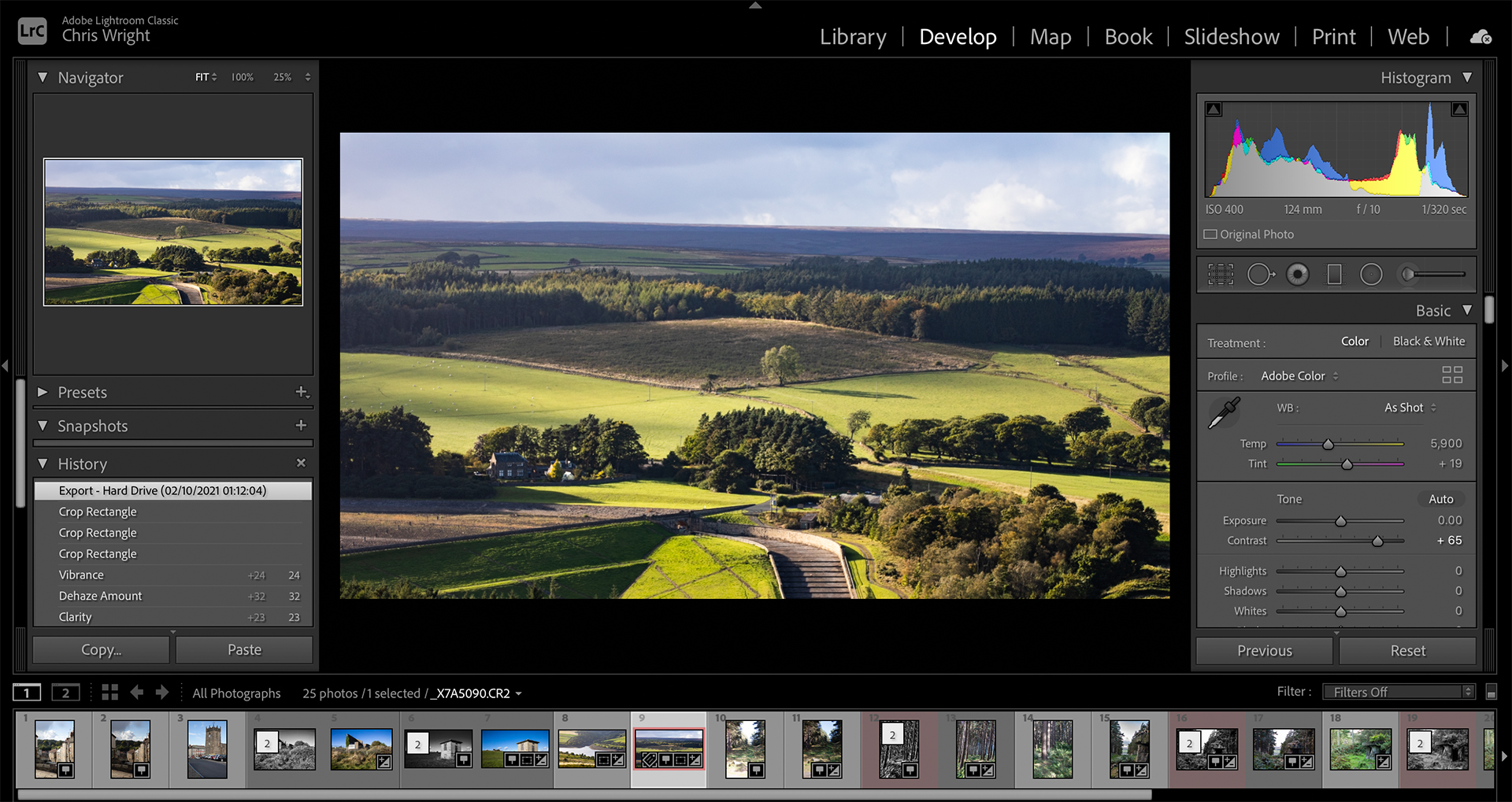
What Is A Lightroom Classic Catalog at Rosie Halsey blog

How to create and use the Lightroom catalog in Lightroom Classic

How to Create a Lightroom Catalog! (Adobe Lightroom CC Tutorial) YouTube

Lightroom Catalog Management Single VS Multiple Catalogs
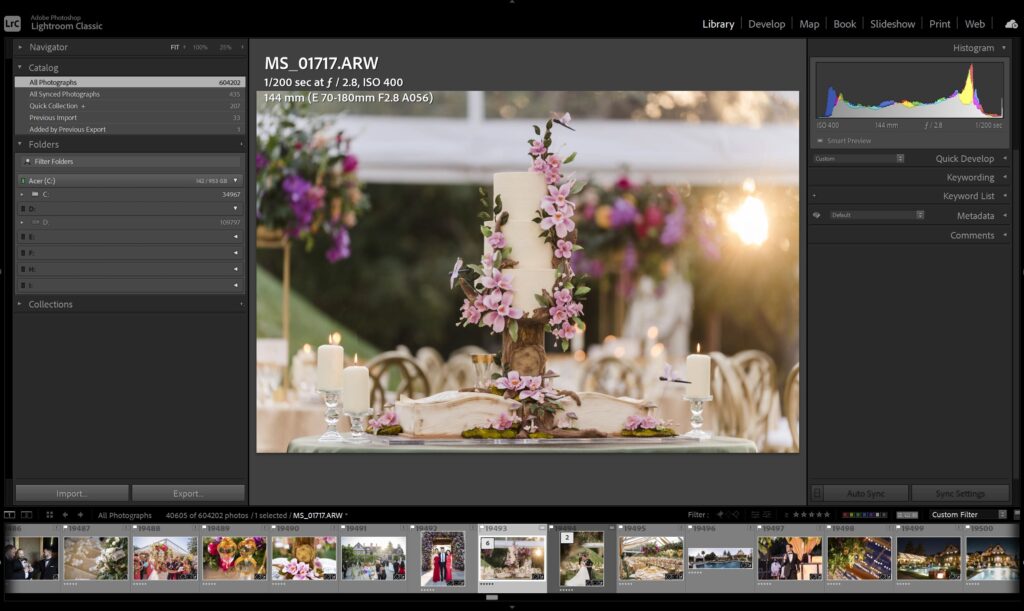
Lightroom Catalog Management Single VS Multiple Catalogs
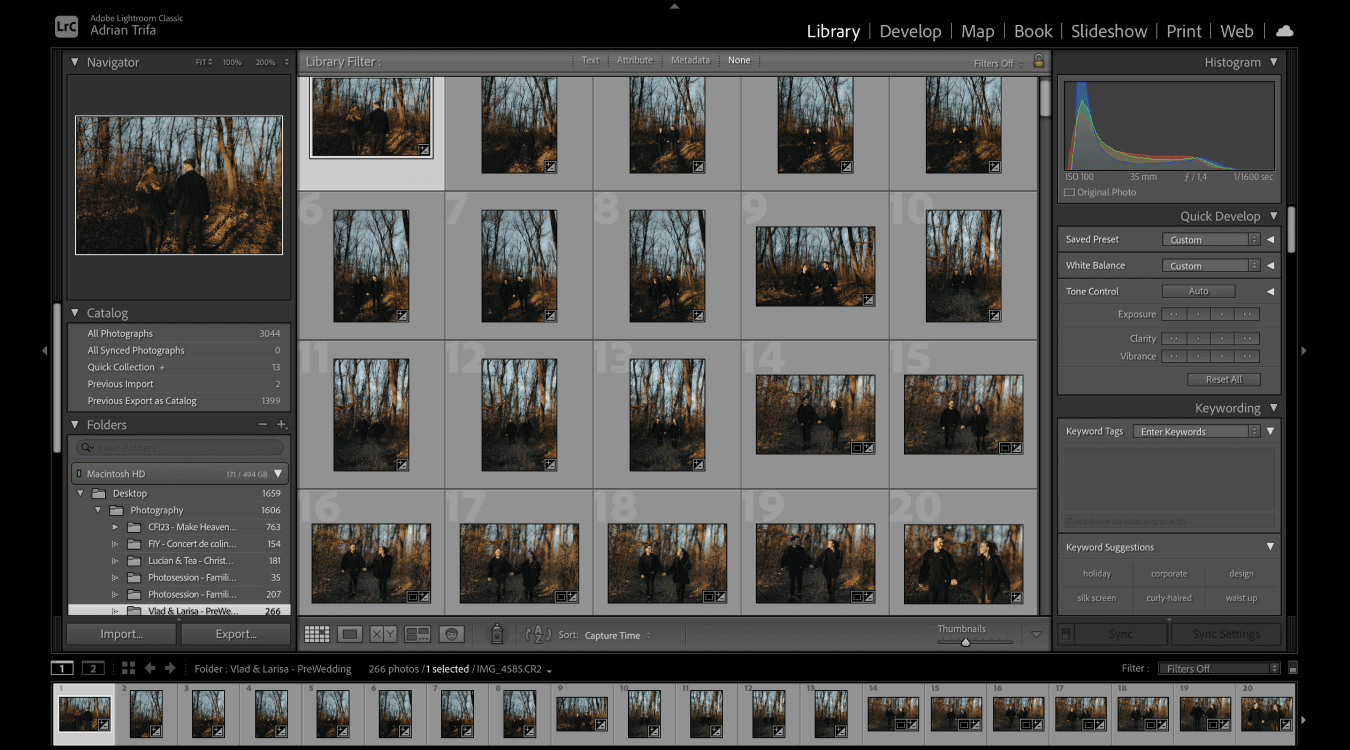
Lightroom Catalogs 101 Organize, Optimize, and Thrive

How to create and use the Lightroom catalog in Lightroom Classic
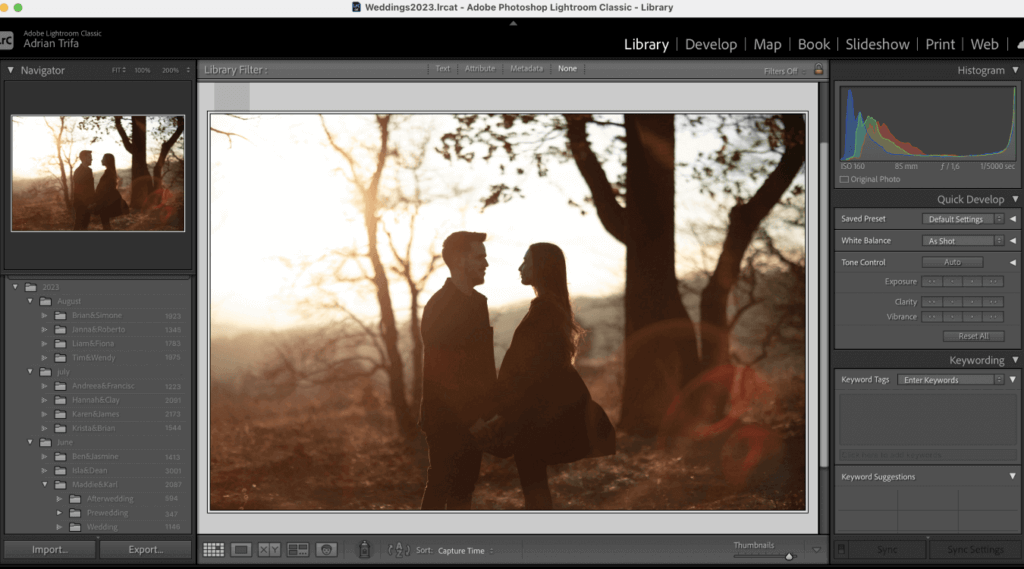
Lightroom Catalogs 101 Organize, Optimize, and Thrive
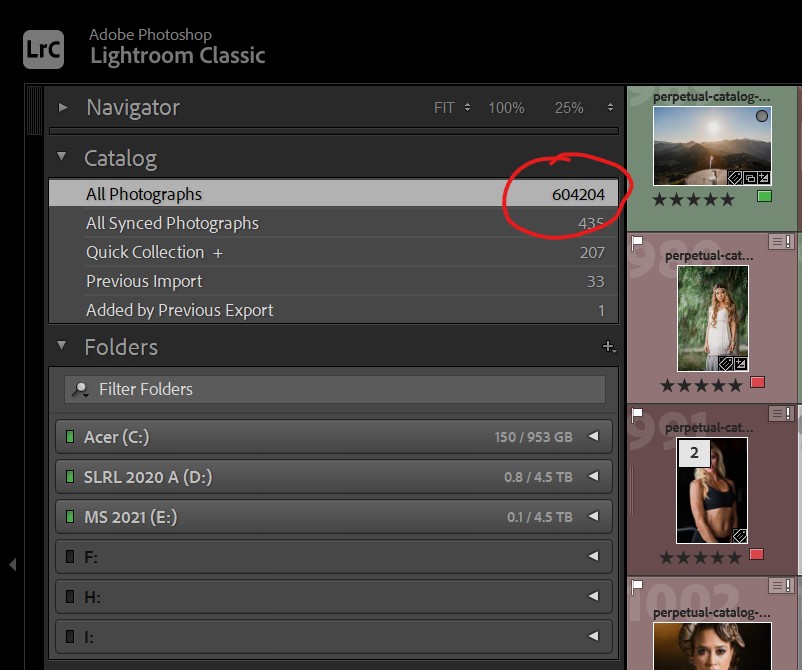
Lightroom Catalog Management Single VS Multiple Catalogs

What is the Lightroom Catalog? The Creative Photographer
In The Open Catalog Dialog Box, Specify The.
Understanding How Catalogs Work And Following Best Practices Will Keep Your Photos Safe, Your.
Your Catalog (Your.lrcat File) Is A Searchable Index With Information.
Your Lightroom Catalog Is A Database That Stores Information About Your Photographs.
Related Post: